Hoppy Garden Font: Playful & Personal
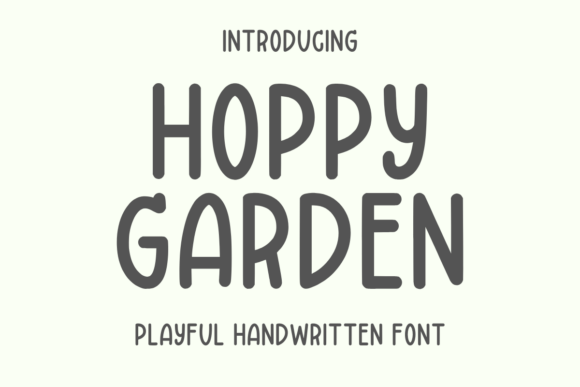
There I was, tracing the edges of a candle label with a pencil, trying to find the right font that felt just right. Not too formal, not too quirky—something that whispered, "This is handmade." That’s when I discovered Hoppy Garden, a playful handwritten font that adds a touch of personality to any creative project.
Its clean strokes and casual charm make it ideal for branding, DIY crafts, packaging, and anything that needs a little extra love. I’ve used it on everything from birthday invitations to farmhouse signs, and every time, it brings a sense of warmth and approachability that’s hard to match.
Designing with Hoppy Garden
One of my favorite moments was designing a set of seasonal labels for a small candle shop. The owner wanted something that felt like a personal touch, something that made each jar feel like a gift. Hoppy Garden fit perfectly. The soft curves and gentle slant gave the labels a friendly, handcrafted look that stood out among the more rigid fonts I’d seen before.
I also used it on a series of printable wall art for a digital download shop. The font’s natural flow made it easy to pair with illustrations and patterns, creating a cohesive design that felt both modern and nostalgic. It worked well for titles, captions, and even short phrases that needed a bit of flair.
Real-World Applications
Whether it’s greeting cards, wedding invitations, planner pages, or stickers, Hoppy Garden has proven to be versatile. On a recent project, I designed a set of wedding welcome boards using the font. The way it flowed across the board added a personal touch that made the event feel more intimate and thoughtful.
It’s also great for boutique tags and product packaging. I’ve used it on tote bags and mugs, where the font’s handwriting style gives the products a unique, one-of-a-kind feel. For small stickers or labels, the font remains readable without losing its charm, making it perfect for cutting machines and laser cutters.
Brand Consistency and Emotional Appeal
When it comes to branding, consistency is key. Using Hoppy Garden across different materials—like business cards, social media graphics, and product packaging—helps create a unified look that customers recognize. It adds a sense of authenticity that can make a big difference in how a brand is perceived.
The font’s warm, approachable style also helps build an emotional connection with customers. Whether it’s a simple thank-you note or a detailed product description, Hoppy Garden makes the message feel more personal, more heartfelt.
Using Hoppy Garden in Different Projects
For short phrases, names, or titles, Hoppy Garden shines. It works well for logos, headings, and decorative wording. But it’s also surprisingly readable for longer text, especially when paired with a clean sans serif or simple serif font. This pairing creates a balance between the handwritten charm of Hoppy Garden and the clarity of a more structured typeface.
I’ve used it on printable wall art, where the font’s style complements illustrations and patterns. It’s also great for seasonal projects, like holiday tags or birthday cards, where the font’s playfulness adds a fun, festive vibe.
Practical Tips for Makers
When using Hoppy Garden for physical products, it’s important to test it at different sizes. On small stickers or labels, the font remains legible, but it’s always a good idea to check how it looks when printed or cut. For digital downloads, make sure to include all the necessary styles, alternates, and ligatures so users have flexibility in their designs.
Also, consider the file formats included with the font. If you’re selling merchandise or printables, ensure the font supports the formats you need, whether it’s TTF, OTF, or SVG. Check the licensing terms as well, especially if you plan to use the font commercially.
Pairing with Other Fonts
While Hoppy Garden stands out on its own, it pairs beautifully with other fonts. A clean sans serif like Montserrat or a simple serif like Lora can complement its style without overpowering it. For display purposes, a bold or decorative font might work well alongside it, adding contrast and visual interest.
In editorial design, Hoppy Garden can be used for headings or accents, while a more traditional typeface handles the body text. This combination keeps the design balanced and professional, yet still creative and engaging.
Final Thoughts on Hoppy Garden
From candle labels to wedding stationery, Hoppy Garden has become a go-to font for many of my projects. Its charm, readability, and versatility make it a valuable addition to any designer’s toolkit. Whether you're a crafter, a handmade seller, or a printable creator, this font offers a fresh, personal touch that can elevate your work in a meaningful way.