Sting: A Stylish Font for Business
As a small business owner, I know how important it is to create a strong visual identity. One of the easiest ways to elevate your brand is by choosing the right font. Sting is a beautiful handwritten font that can help you achieve a polished, professional look across all your materials.
What Is Sting?
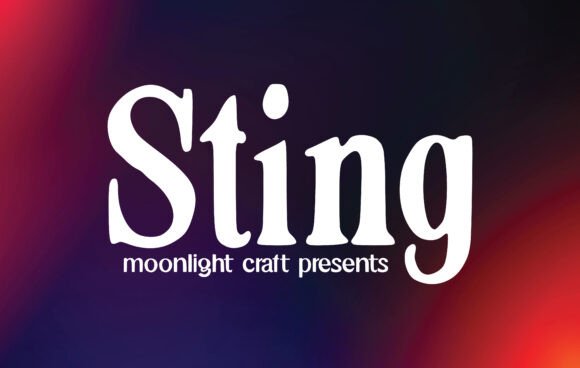
Sting is a script handwritten font that brings a sense of elegance and creativity to any design. Its flowing lines and natural feel make it ideal for branding, logos, and other creative projects. The font has a friendly yet sophisticated personality, making it versatile for different types of businesses.
How to Use Sting in Your Branding
Whether you're designing a logo, creating product labels, or working on social media graphics, Sting can add a unique touch to your work. It's perfect for headlines, display text, and accents that need to stand out without being overwhelming.
For example, if you run a bakery, using Sting for your logo or menu headers can give your brand a warm, inviting feel. Similarly, handmade candle labels with Sting can make your products more eye-catching and memorable.
Sting in Real-World Business Materials
Sting works well in a variety of business materials. On business cards, it can add a personal touch that sets you apart from competitors. For product packaging, it can help your brand stand out on shelves or online listings.
When used in digital ads or Instagram posts, Sting can draw attention and reinforce your brand's personality. It also pairs well with other fonts, making it easy to create a balanced design that looks great on both screens and printed materials.
When to Use Sting
Use Sting as a headline or logo font when you want to make a strong impression. It's also great as an accent font to highlight key messages or special offers. However, it's not always the best choice for body text due to its decorative nature.
For everyday use, pair Sting with a clean sans serif or serif font. This combination ensures readability while maintaining a stylish look. For instance, a coaching business could use Sting for headlines and a simple sans serif for descriptions, creating a clear and professional layout.
Readability and Practical Considerations
While Sting is visually appealing, it's important to consider how it will look in different settings. On small labels or mobile screens, it should still be legible. Test it on various sizes and backgrounds before committing to a full brand rollout.
Also, remember to check the commercial licensing terms for Sting. Make sure you have the right to use it on products, packaging, templates, or client work. This helps avoid any legal issues down the line.
Sting for Different Industries
Sting is suitable for many industries. A café owner might use it for menus or signage to create a cozy, personalized atmosphere. A boutique could use it for logos or website banners to reflect a creative, artisanal vibe.
Beauty product packaging with Sting can feel more luxurious, while an online shop might use it for banners or promotional graphics to attract attention. The font’s versatility makes it a valuable addition to any designer’s toolkit.
Final Tips for Using Sting
Before using Sting across your entire brand, test it in different contexts. Try it on mockups, print samples, and digital drafts to see how it performs. This helps ensure it meets your needs and looks good in all applications.
Pair it with other fonts that complement its style. A modern sans serif can balance Sting’s fluidity, while a classic serif can add a touch of sophistication. These combinations help maintain a cohesive and professional look.
Sting is more than just a font—it's a tool that can help your business stand out. With its elegant style and practical use, it's a great choice for entrepreneurs looking to build a strong, recognizable brand. Whether you're launching a new product or updating your marketing materials, Sting can help you make a lasting impression.